Export invoice finance: funding overseas customers
8 April 2026
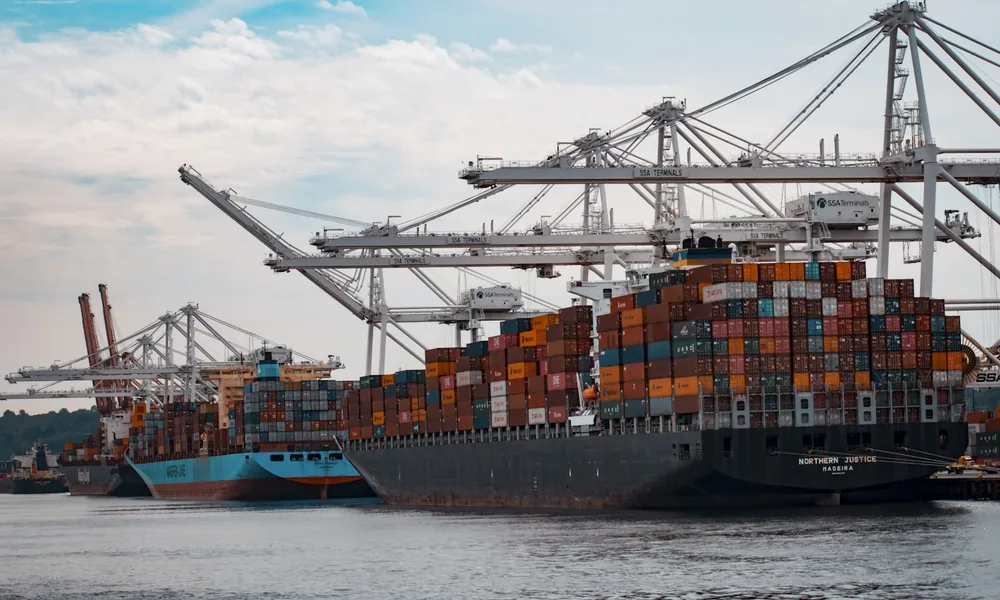
Winning an overseas order feels like a milestone, and it is. What follows is rarely as clean. The goods leave your factory, spend weeks on a ship, and the buyer sits on terms of 60 or 90 days after that. You have paid your suppliers and your staff, but the money you have earned is stuck on the other side of a border, in another currency, owed by a company you cannot easily visit. Export invoice finance is built to close that gap.
This guide is about one specific thing: advancing cash against sales invoices you raise to customers based outside the UK. It is not trade finance for buying stock before you sell, and it is not a loan. It is funding secured against export debtors, with a set of tools bolted on to handle the extra risks of selling abroad.
Why export invoices are harder to fund
A domestic invoice is simple for a lender to advance against. The debtor is a UK company you can credit check in minutes, the debt is in pounds, and there is a well trodden legal route to recover it. An export invoice strips away most of that comfort, and the lender has to weigh a fresh set of risks before it will fund.
These are the extra risks a lender weighs on every export deal:
- Longer payment terms and shipping times, so the money is out for months rather than weeks and the facility carries more exposure per invoice.
- Foreign currency invoicing, which introduces exchange risk between the day you raise the invoice and the day the buyer pays.
- Harder credit checking, because financial data on overseas buyers is patchier and slower to obtain than a UK Companies House record.
- Country risk, covering political instability, sudden import controls, and the chance that funds cannot be moved out of a market at all.
- Collection in another jurisdiction, where a bad debt has to be pursued under foreign law rather than through the UK courts.
Export credit insurance and non-recourse cover
The single most important tool is export credit insurance. This is a policy that pays out if an approved overseas buyer fails to pay because they become insolvent or default. With good cover in place, a lender can offer a non-recourse facility on your export debtors, which means the bad debt risk on an insured and approved customer sits with the insurer rather than landing back on you.
In practice the lender either uses its own master policy or works alongside one you already hold. Each overseas buyer is submitted for a credit limit, and funding flows against invoices up to that limit. An insured export debtor is fundable, and an uninsured one in a difficult market often is not.
The order that made your year is worth very little to a lender until the overseas buyer behind it has been credit approved and insured. Get the cover in place first, then win the sale with confidence.
Funding in multiple currencies
If you invoice a French buyer in euros and the lender advances you pounds, you carry the exchange risk for the whole term. A specialist export lender removes that by funding in the currency you invoiced in. You raise the invoice in euros, draw down in euros, and the buyer repays in euros, so a swing in the exchange rate does not eat into your margin. A multi currency facility can also let you hold those euros to pay overseas suppliers rather than converting twice.
Collections through correspondent agents
Collecting a debt in Hamburg or Chicago is not something a UK credit controller can do well over the phone. Export lenders work with correspondent collection agents in the buyer's own country. These local firms know the language, the payment culture, and the legal steps to escalate if a debtor stalls, so overseas invoices get pursued properly and the facility stays healthy.
Incoterms and proof of shipment
A lender will not fund an export invoice until it can see the sale is real and the goods have moved. This is where Incoterms matter. The Incoterm on your invoice, such as EXW, FOB, CIF or DAP, sets the point at which risk and cost pass to the buyer, and it tells the lender when your right to be paid actually crystallises.
Verification usually rests on documents such as:
- A commercial invoice that matches the purchase order.
- A bill of lading, airway bill or CMR note as proof of shipment.
- Any inspection or delivery confirmation the terms require.
Clean, consistent paperwork means faster funding. Vague terms or missing shipping proof mean the invoice sits in query and the cash stays out of reach.
Which markets lenders are comfortable with
Not every country is fundable. Lenders are generally comfortable with buyers in Western Europe, North America, Australia, New Zealand and the stronger economies of Asia, where credit data is reliable and recovery is dependable. They grow cautious about markets with weak courts, thin financial reporting, or a history of blocking the movement of funds, and they avoid sanctioned territories and active conflict zones outright. Knowing where a lender will and will not go is often the difference between funding your whole ledger and leaving your best new market unsupported.
A worked example
Take a UK engineering manufacturer that ships a machine to a German distributor and raises an invoice for 150,000 euros on 90 day terms. At an exchange rate of 1.17 that invoice is worth roughly £128,000, and without funding that money is locked away for three months while the firm still has to pay for the next build.
With an export facility at an 85 percent advance rate, the lender releases about 127,500 euros, close to £109,000 at the same rate, within a day or two of verified shipment. Because the facility is in euros, there is no exchange exposure between drawdown and repayment, and because the German buyer has been credit approved and insured, the balance is non-recourse. When the distributor pays at day 90, the lender takes its advance plus its charge, say a 1.5 percent cost of around 2,250 euros on this invoice, and passes the rest across. The firm turned a 90 day wait into next day cash and carried none of the currency or bad debt risk itself.
Why a broker who knows export lenders matters
Export invoice finance is a specialist corner of the market. Some lenders will not touch overseas debtors at all, some cover only a short list of countries, and the ones who do it well vary a lot on currencies handled, insurance and collection networks. As a commercial finance broker, we are not regulated by the FCA, which is correct for business to business commercial finance, and it lets us work across the whole panel rather than pushing a single product.
If you are selling abroad, or about to, it is worth a conversation before you sign an order. We will look at your markets, your currencies and your buyers, and point you to the export capable lenders who can fund the ledger you have. Speak to our invoice finance team and we will help you find the right fit.
Related reading



Still have questions?
Ask Flo, our invoice finance assistant. Trained on debtor mechanics, sector quirks, cost structures and renewal strategy.